- storrs@wildlifeanimalcontrol.com
Call 24/7 for a free quote:
860-422-4752
Storrs Wildlife Animal Control
Professional Wildlife Removal Company Servicing Storrs, CT
If you have a problem with wildlife in your Storrs home, your best option is to hire a company that specializes in Connecticut wildlife removal only. This is a specialty business, and regular pest control companies do not use the proper techniques to solve animal problems. I have spent many years reviewing Connecticut and Storrs, and I recommend the following:
Wildlife Removal Hartford
Cell Phone: 860-422-4752
NOTE: If you have a dog or cat problem, call Tolland County Animal Services: 860-569-1066
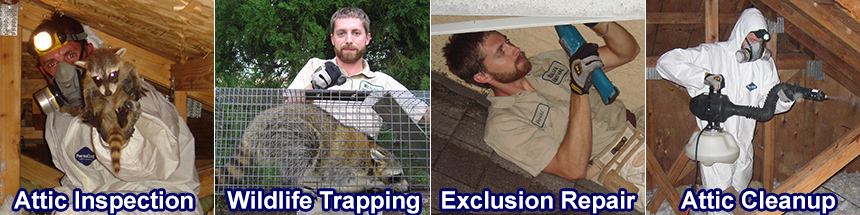
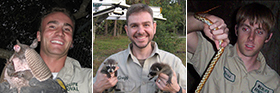
Wildlife Removal Hartford specializes primarily in removing animals from attics of homes and buildings - this includes squirrels in attics, raccoons, and rats or mice in homes. Connecticut also has a documented problem with
bats in buildings, and Wildlife Removal Hartford is specially trained in bat removal. They also perform general wildlife trapping services, such as the capture and removal of skunks or opossums on the
property. Call 860-422-4752 to discuss your critter problem and schedule a same-day or next-day appointment. Click here to learn more about
what prices we charge in 2026.
When hiring a company to solve your wild animal problem, you want these features:
- Specializes in wildlife removal, not pest control
- Fully Connecticut and Tolland County licensed and insured
- Works 7 days per week (critters don't take weekends off)
- Performs full building inspections: enters and inspects attic
- Performs exclusion repairs, with guarantee against animal re-entry
- Offers cleanup of biohazardous wildlife waste
Wildlife Removal Hartford is a full-service Storrs wildlife removal company. This is very different from a regular Storrs pest control company. The pest control companies spray poison to kill insects. This is not at all
similar to wildlife removal. Wildlife Removal Hartford performs a full inspection of the home or property, and determines why the animal(s) are there, and if inside a building, how the animals got inside. All
animals (including rodents) are trapped and removed, or if possible, removed from the building using special exclusion devices. Once the animals are gone, preventative repairs are essential, and
cleanup is sometimes recommended.
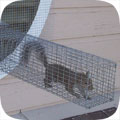
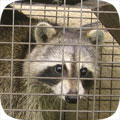 Storrs wildlife trapping - it's not as simple as it may seem. It's illegal in Connecticut to trap without a license. Trap type is very important and there are many different types, bait is somewhat relevant, trap placement
is vital, and there are dozens of small things that are very important to know.
Safety is a concern. Then once the animal is trapped, it must be removed and dealt with in the proper manner according to Connecticut law. We offer Storrs raccoon removal. Read more about how to get rid of raccoons.
Storrs wildlife trapping - it's not as simple as it may seem. It's illegal in Connecticut to trap without a license. Trap type is very important and there are many different types, bait is somewhat relevant, trap placement
is vital, and there are dozens of small things that are very important to know.
Safety is a concern. Then once the animal is trapped, it must be removed and dealt with in the proper manner according to Connecticut law. We offer Storrs raccoon removal. Read more about how to get rid of raccoons.
 Animals in attics - this is our specialty at Wildlife Removal Hartford. Many types of animals like to live in attics. This includes squirrels, raccoons, rats, mice, bats, birds, and even possums. Critters like to go into attics for a safe place to live
and raise their young. Removing animals from attics is very complex work, partly because of the presence of baby animals. If you need Storrs squirrel removal, we can remove all the squirrels from your attic, and seal out any future ones. Read more about how to get rid of squirrels.
Animals in attics - this is our specialty at Wildlife Removal Hartford. Many types of animals like to live in attics. This includes squirrels, raccoons, rats, mice, bats, birds, and even possums. Critters like to go into attics for a safe place to live
and raise their young. Removing animals from attics is very complex work, partly because of the presence of baby animals. If you need Storrs squirrel removal, we can remove all the squirrels from your attic, and seal out any future ones. Read more about how to get rid of squirrels.
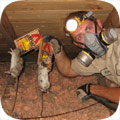 Rodent control must be done in a very specific way. First off, the most important thing is that all the openings that rats and mice can use to enter a house be sealed. Then all the rodents must be physically trapped and removed.
Never, ever use poison! Most Storrs exterminators will just use this lazy poison technique to kill rodents, and it causes more harm than good - dead stinky rats, and it doesn't solve the problem. Call us for correct Storrs rat removal. Read more about how to get rid of rats.
Rodent control must be done in a very specific way. First off, the most important thing is that all the openings that rats and mice can use to enter a house be sealed. Then all the rodents must be physically trapped and removed.
Never, ever use poison! Most Storrs exterminators will just use this lazy poison technique to kill rodents, and it causes more harm than good - dead stinky rats, and it doesn't solve the problem. Call us for correct Storrs rat removal. Read more about how to get rid of rats.
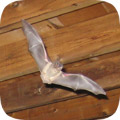 Bat removal is a highly specialized task. Connecticut is known to have colonizing bats who often live in buildings. Bats love attics. If not removed, the colony can grow to a very large size over the years. The bat droppings are often corrosive and
cause health risks. The same goes for bird droppings on or in buildings. We perform Storrs pigeon removal and bird control. But our specialty is Storrs bat removal. We remove 100% of the bat colony and seal the building so that it's totally bat-proof. Read more about how to get rid of bats.
Bat removal is a highly specialized task. Connecticut is known to have colonizing bats who often live in buildings. Bats love attics. If not removed, the colony can grow to a very large size over the years. The bat droppings are often corrosive and
cause health risks. The same goes for bird droppings on or in buildings. We perform Storrs pigeon removal and bird control. But our specialty is Storrs bat removal. We remove 100% of the bat colony and seal the building so that it's totally bat-proof. Read more about how to get rid of bats.
 If you have animals inside a house, no job is complete without proper exclusion repairs. If you simply hire a Storrs trapper who only removes the critters, then the problem will return. You need to hire a Storrs wildlife control company that identifies 100% of the animal entry points
into your building, and seals them shut with professional repairs. In addition, in many cases animals have left waste or contamination behind, and you'll want a company that can provide professional cleaning services. Wildlife Removal Hartford does both.
If you have animals inside a house, no job is complete without proper exclusion repairs. If you simply hire a Storrs trapper who only removes the critters, then the problem will return. You need to hire a Storrs wildlife control company that identifies 100% of the animal entry points
into your building, and seals them shut with professional repairs. In addition, in many cases animals have left waste or contamination behind, and you'll want a company that can provide professional cleaning services. Wildlife Removal Hartford does both.
The above are just some of the services offered by Wildlife Removal Hartford. We also trap and remove animals that destroy lawns, such as moles, or digging animals. Sometimes animals like opossums will live under buildings, steal pet food, raid garbage cans, etc.
Read about how to get rid of opossums. Skunks commonly live under sheds or decks, and set up a den. We can trap and remove them without them spraying. Read about how to get rid of skunks. Wildlife Removal Hartford
also provides dead animal removal in Storrs. If you need help with any other wildlife conflict, from a fox, beaver, groundhog, or any other critter, we can solve it. We also do Storrs snake removal - most of the snakes in Connecticut are not venomous, but
call us if you want safe removal, or read about how to get rid of snakes in Storrs. And remember, we are a private business, not Tolland County Animal Control Services, so if you have a dog or cat problem, call the County at 860-569-1066.
Tolland County animal services does not handle any wildlife issues.
Wildlife Removal Hartford
Cell Phone: 860-422-4752
Storrs Pricing Info
Every wildlife removal situation is different, from the species of animals involved, the location of the animal inside a house or outside, the extent of repairs or cleanup, etc. It's impossible to give one-size-fits-all prices. Examples MIGHT include:Small Job: For example, a one-stop job to remove an animal in the yard: $100 on up
Medium Job: For example, getting critters out of your house with minor repairs: $300 on up
Large Job: For example, a project involving many service trips and complex work: $500 on up
Give us a phone call now and tell us about your wildlife issue and we will be able to give you a price estimate over the phone. If you're cool with it, we can schedule a same-day or next-day appointment if you like. Our prices are fair, and a good value because we do the job right, the first time.
Storrs Wildlife Tip #1:
How Should I Relocate the Trapped Squirrel?
It can be quite frustrating to encounter a squirrel in your garden digging and eating the crocus bulb and tulip. Luckily, there are various ways on how you can prevent them from ravaging your garden. However, for those who are using trapping methods, relocating them may not be the right answer. Some people claim that they have experienced success in trapping and releasing the squirrel, but this presents several issues.
Will the Squirrel Be Involved in a Territorial Dispute?
Most squirrels will not survive the stress and the trauma of being relocated. An unfamiliar location presents too many challenges to them. For instance, the place can be a part of the home range of another creature. Once this happens, the territorial animal will protect their range. Since the squirrel is in an unfamiliar place, it can be difficult for them to find a new den to hide. The other animal will chase and attack them persistently, and they can end up with a serious wound.
Will There Be Enough Food?
Another factor that can affect the survival rate of the squirrel once they have been relocated would be the availability of food. It can be quite difficult for the squirrel to find a new food source. Even on the off chance that they found some food, it may not be enough for them to survive. It is ideal to find a place with lots of fruit-bearing trees. If possible, you should perform the trapping and release during spring when there is a huge availability of food. If the squirrel managed to return to your area, you will notice how they are so emaciated. They may also sustain some injuries.
Will the Squirrels Acquire Disease When I Relocate Them?
When relocating the squirrels, they will be exposed to different elements, including bacterial infection, parasites, and viruses. They can be bitten by a mammal that is infected with the rabies virus. Squirrels can only live for a few days after they have been infected with rabies. They can also be vulnerable to Lyme Disease, Tularemia, Leptospirosis, and others. Some squirrels will be persistent in getting back to their original location that can increase the probability of disease transmission.
When Should I Not Relocate the Squirrel?
Before relocating the trapped squirrel, you should check the local ordinances and regulations regarding the trapping and release of the animal. You want to make sure that you are doing everything in accordance with the law. In some states, you are only allowed to release the animal within a specific radius.
Another instance when it is not recommended to relocate the squirrel is during the nesting season. You don't want to separate the baby animal from the mother squirrel since the small ones greatly depend on the mother for their survival. The better solution would be to surrender the animals to the wildlife rehabilitation center. You should also call the squirrel removal specialists if you don't know the best place to relocate them.
Storrs Wildlife Tip #2:
Connecticut Wildlife Information:
Connecticut State bird: American robin
State mammal: Sperm whale
State fish: American shad
State insect: European mantis
Connecticut is a small state in the nation, and despite being technically on the coast of the country, it does not have an ocean border. The state is connected to the Atlantic Ocean through Long Island Sound and Block Island Sound, but has no actual sea coast of its own. The majority of the state was originally wooded, though areas of farmland have since been cleared. The forests are full of broad-leaved trees with a mixture of coniferous woodland, and there is a steady rise of terrain to the mountains in the northwest. Summers in the state are warm to hot, and winters are cold; the ocean mediates temperatures and moisture content in the atmosphere.
The state does not have a huge variety of large animals. The moose is the dominate creature on land in size, and it is the only large grazer aside from white-tailed deer. A subspecies of the white-tailed deer, called the key deer, grow to be only 3 feet tall and weigh up to 80 pounds. This subspecies is protected due to dwindling numbers. The key deer are easy targets for coyotes who roam the forested regions of the state. Black bears are also present, but the bears rarely take to hunting down large prey. Black bears spend much of their time foraging for fruits and insects, or raiding easy meal locations like birds' nests. The state has a healthy population of bobcats that keep the numbers of smaller animals manageable.
As in most states of the Northeast, Connecticut has a variety of forest-dwelling critters that hold the potential to become pest animals. Raccoons, skunks, opossums, rats, mice, bats, gophers, woodchucks, weasels, minks, and beavers are all occupants of the state. Connecticut has lemmings, small, elusive rodents that have gotten a reputation for mass suicides. These communal death marches are a misnomer; the lemming will sometimes migrate in numbers during the breeding season. Because the animals are good swimmers, they will often attempt to cross waters where a significant number of them drown. They are not throwing themselves off cliffs for no apparent reason.
Though access to the ocean is had by way of a protected region of water, Connecticut has a number of marine animals including manatees and harbor seals.
You can always call Wildlife Removal Hartford, any time of day, at 860-422-4752, for a price quote for Storrs wildlife control services. I am confident that this is the best choice amongst wildlife removal companies in Storrs, CT.
Select Your Animal

RaccoonsRaccoon Control Education and Services

SquirrelsSquirrel Control Education and Services

OpossumOpossum Control Education and Services

SkunksSkunk Control Education and Services

RatsRat Control Education and Services

MiceMouse Control Education and Services

MolesMole Control Education and Services

GroundhogGroundhog Control Education and Services

ArmadillosArmadillo Control Education and Services

BeaverBeaver Control Education and Services

FoxFox Control Education and Services

CoyotesCoyote Control Education and Services

BirdsBird Control Education and Services

BatsBat Control Education and Services

SnakesSnake Control Education and Services

DeadDead Animal Control Education and Services

Chipmunks Chipmunk Control Education and Services

Voles Vole Control Education and Services

Deer Deer Control Education and Services

Flying Squirrel Flying Squirrel Control Education and Services

Gophers Gopher Control Education and Services

Prairie Dog Prairie Dog Control Education and Services

Feral Pigs Feral Pig Control Education and Services

Alligators Alligator Control Education and Services

Iguanas Iguana Control Education and Services

Muskrats Muskrat Control Education and Services

Nutria Nutria Control Education and Services

Otters Otter Control Education and Services
Pigeons Pigeon Control Education and Services

Goose Goose Control Education and Services

Muscovy Duck Muscovy Duck Control Education and Services

Starlings Starling Control Education and Services

Woodpecker Woodpecker Control Education and Services

Porcupines Porcupine Control Education and Services

Rabbits Rabbit Control Education and Services

Weasels Weasel Control Education and Services

Stray Dogs Stray Dog Control Education and Services

Stray Cats Stray Cat Control Education and Services

OthersOther Wildlife Species Information